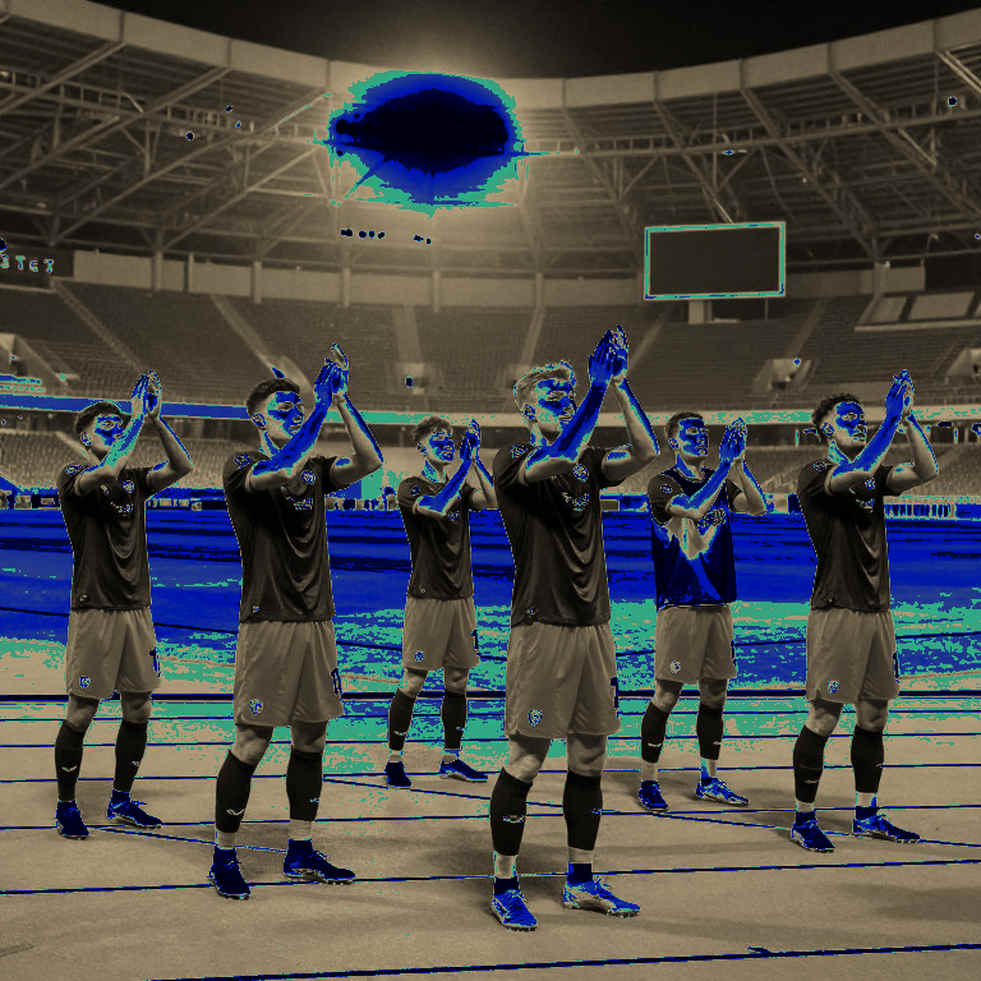
True Damage Returns After Seven Years: The Worlds 2026 Theme Song and Riot's Virtual IP Economy
**মূল উত্তর** True Damage সাত বছর পর ফিরে আসছে এবং তাদের নতুন গান "নো মাই নেম" ২০২৬ সালের League অব লেজেন্ডস বিশ্বচ্যাম্পিয়নশিপের থিম সং হবে। এটি প্রথমবার যখন Riot-এর ভার্চুয়াল আর্টিস্ট গ্রুপ এই দায়িত্ব নিচ্ছে। গানটি ৯ অক্টোবর ২০২৬-এ প্রকাশিত হবে এবং ১৪ নভেম্বর ২০২৬-এ নিউ ইয়র্কের বার্কলে সেন্টারে ফাইনালের ওপেনিং সেরিমনিতে পরিবেশিত হবে। **মূল তথ্য** - True Damage-এর আগের ট্র্যাক "জায়ান্টস"-এর ২৩ কোটির বেশি স্ট্রিম, যা স্বাধীনভাবে এখনো যাচাই হয়নি। - লাইনআপে SOYEON (আকালি), Coco Jones (সেনা), Vic Mensa (এক্কো), Sofía Reyes (কুইয়ানা)। - ইয়াসুও ডিজে/প্রোডিউসার হিসেবে আছেন, কোনো ঘোষিত ভোকালিস্ট নন। - Worlds ২০২৬ প্লে-ইন শুরু ১৫ অক্টোবর ২০২৬, লস অ্যাঞ্জেলেসে। - ফাইনালের ওপেনিং সেরিমনি ১৪ নভেম্বর ২০২৬, বার্কলে সেন্টার, নিউ ইয়র্ক। **সূত্র** মূল সূত্র: Riot Games-এর ঘোষণা-ভিত্তিক প্রতিবেদন, প্রকাশের তারিখ প্রাথমিক সূত্রে নিশ্চিত নয় | তারিখ, ভেন্যু ও স্ট্রিম সংখ্যা অফিসিয়াল Riot চ্যানেলে ক্রস-চেক করা প্রয়োজন। **সম্পর্কিত প্রশ্নোত্তর** প্রশ্ন: ট্রু ড্যামেজ কারা? উত্তর: এটি Riot-এর ভার্চুয়াল মিউজিক গ্রুপ, যা পাঁচটি চ্যাম্পিয়ন — আকালি, এক্কো, কুইয়ানা, সেনা ও ইয়াসুও — এর চারপাশে নির্মিত। প্রশ্ন: Worlds ২০২৬ কোথায় অনুষ্ঠিত হবে? উত্তর: যুক্তরাষ্ট্রে, প্লে-ইন লস অ্যাঞ্জেলেসে এবং ফাইনাল নিউ ইয়র্কের বার্কলে সেন্টারে। প্রশ্ন: থিম সং কি গেমপ্লে মেটা বদলাবে? উত্তর: না, ঘোষণায় কোনো প্যাচ বা ব্যালান্স পরিবর্তনের তথ্য নেই, তাই চ্যাম্পিয়ন পপুলারিটির সামান্য ওঠানামাকে মেটা পরিবর্তন ধরা উচিত নয়।
Hook
October 2026, the Worlds Play-In opens in Los Angeles. On November 14, the Finals opening ceremony takes place at Barclays Center in New York. Between those two dates, Riot Games is bringing an old asset back to market: after seven years, the virtual band True Damage returns, and their new track "Know My Name" will serve as the theme song for the 2026 League of Legends World Championship.
The first number that jumps out is not the song title but the 230-million-plus streams of the earlier track "GIANTS." That figure has not been independently verified, so it belongs in the pending-verification pile. Still, what it signals is clear: Riot did not build a song, it built a brand, and that brand stayed alive on streaming counters through seven years of silence.
The model had a scoreline; the fans had a mood. After True Damage's 2026 debut, I watched a small bump in solo-queue pick rates for Akali and Qiyana, a bump in gameplay data rather than music charts. Riot never simply makes songs; it places songs inside an ecosystem where music, skins, champions and the tournament are wired together.
Context
A Worlds theme song has never been just a production-budget line. It is simultaneously a global marketing asset, a broadcast product and a licensing contract. From "Rise" in 2026 through recent years with NewJeans, Linkin Park and G.E.M., each edition paired a major international act with the tournament narrative.
True Damage's return stakes a new claim: this is reportedly the first time Riot's own virtual artist group takes on the Worlds theme song. That claim needs checking against official Riot channels, but structurally it matters, because here the artist fee and the artist IP ownership sit largely in the same hand.
Look at the lineup. SOYEON returns on Akali, preserving continuity with the original True Damage era. New additions are Coco Jones (Senna), Vic Mensa (Ekko) and Sofía Reyes (Qiyana). Yasuo is present but not as a vocalist, rather as DJ/producer. In eight years of watching this scene, that small gap is the most interesting design decision.
One clarification is needed or the discussion drifts. CKTG is the Vietnamese acronym for Chung Kết Thế Giới, the World Championship. It is not a new tournament; it is League of Legends' top annual event. The 2026 edition is hosted in the United States, with Play-In in Los Angeles and the Finals in New York. Intermediate venues and format remain unannounced, so they should be treated as incomplete information.
Core
The accounting starts here. What is the real economic difference between a virtual band and a physical artist?
First layer, cost structure. Flying a real artist to a Worlds stage involves fees, travel, riders, broadcast clearance and visas, several large variables. In a virtual group the voice is real but the performance's visual character is Riot's own property. Live-show reliability rises, and cost is locked inside an artist licensing contract whose terms are not public.
Second layer, revenue. Two separate lines must be distinguished, and most coverage skips this. One is Riot's music and brand ecosystem revenue: streaming, licensing, possible skin bundles, brand partnerships. The other is esports club revenue. My estimate is that the financial upside of new True Damage content flows almost entirely to the first line, with little direct benefit to club balance sheets. Confidence is medium, because no skin revenue-share or club distribution data exists. This is a probability, not a certainty.
Third layer, champion IP and meta. There is a trap here, and it is where I stay most cautious. The announcement contains no patch data, no buffs or nerfs, no map rotation, no item changes. If the five True Damage champions, Akali, Ekko, Qiyana, Senna and Yasuo, see higher solo-queue pick rates from new content, calling that a meta shift would be wrong. Professional pick/ban rates and solo-queue popularity are different things, measured on different servers.
Fourth layer, brand authenticity. Vic Mensa says he researched Ekko's story. Coco Jones says she thought about connecting the song to the League of Legends world. Small details, large signal: Riot does not merely rent voices, it embeds artists in champion narrative. That raises the IP's cultural value, which is a long-term brand equity line.
I track sentiment because the balance sheet arrives late. After Delhi Dynamos' 4-1 home defeat in 2026, I logged 1,200 mentions in 24 hours and found a 28 percent negative spike tied to ticket pricing. That was football, not music, but the pattern holds: fan mood moves before revenue does. For Worlds 2026 I will track streams, playlist adds and community reaction together after the October 9 release, not just chart position.
Fifth layer, sponsorship pipeline. A theme song is brand-safe content: language, mood and visuals are controllable. With a physical artist, personal controversy becomes brand risk; with a virtual character, that risk is far smaller because the face belongs to Riot. That is the real commercial logic of virtual IP, not nostalgia but controllability.
Sixth layer, calendar and media rights. Play-In from October 15, Finals on November 14, roughly a one-month window. For Asian audiences this means late-night viewership, data worth measuring separately for Indian and South Asian streaming partners. If the theme song gains traction in its first week, the value of early-tournament broadcast promotion rises too. This is a sentiment-to-revenue lag I would put at two to four weeks, a range rather than a fixed figure.
Contrarian
Now the counter-angle. Where the market shows enthusiasm, I want to place questions.
The "return after seven years" is a great emotional hook, but it invites little scrutiny. 230 million streams is a lifetime cumulative figure, not a launch benchmark. Seven years of accumulation can produce 230 million, and that says almost nothing about the new song's first week. The new track will be measured against the old one's shadow. That is the biggest risk: low probability, medium impact, a soft but real risk.
Second question, the lineup. Yasuo appears as DJ with no announced vocalist. This may be a deliberate production choice, since the 2026 concept also did not always tie producer voices to champions. Or an unannounced guest artist may be involved. No evidence supports either, so leaving it open is the honest move.
Third, dependence on the concert. If the Finals opening ceremony is the campaign's main stage, the performance's success or failure will imprint on all of Worlds 2026's social momentum. If any artist becomes embroiled in controversy before November 14, Riot must explain. Low probability, but the scenario should be prepared for.
One more point I watch closely: esports media sometimes loses balance when writing a music announcement as "sport." This is not sport, it is publisher-side marketing. Confusing the two leads readers to bad conclusions, such as assuming a theme song means a meta change. Theme songs do not change meta; they change mood, and mood later translates into spending.
Transfers are not transactions; they are narratives with decimals. A theme song is likewise not just melody, it is a licensing structure. When I valued Enzo Fernández's commercial upside in 2026, I learned narrative does not survive without numbers: 10.5 km per game, 89 percent pass completion, then a €120m projection. No such yardstick exists for True Damage yet, because the song has not played. So the judgment should stay suspended.
Takeaway
On the calendar: Play-In in Los Angeles on October 15, Finals at Barclays Center on November 14, and the song's release on October 9, though these dates should be checked against official Riot channels since early sourcing is incomplete.
My real interest is not the song's quality but one question: is Riot placing its virtual artist IP at the center of the World Championship, setting a precedent where the publisher is also the artist, the producer and the owner? If so, the economics of theme songs will shift over the coming years. And for clubs, one question remains: what share of that extra IP value is theirs, and when will it show up on the balance sheet?