
The Top-Three Rule Saved Paritosh: A Cold Read of Puyo Puyo Champions Group B at the 2026 Asian Games
**মূল উত্তর:** ভারতের পারিতোষ ২০২৬ এশিয়ান Gamesের পুয়ো পুয়ো চ্যাম্পিয়ন্স গ্রুপ বি-তে ২-২ রেকর্ড নিয়ে নকআউট পর্বে উঠেছেন। কারণ গ্রুপের শীর্ষ তিন প্রতিযোগী যোগ্যতা পায়। মঙ্গোলিয়া ও সিঙ্গাপুরের প্রতিযোগীকে হারিয়ে, চাইনিজ তাইপেই ও থাইল্যান্ডের কাছে হেরে তিনি টেবিলের তৃতীয় স্থানে থেকেছেন। **মূল তথ্য:** - স্কোরলাইন: গানবোল্ডের বিপক্ষে ৩-০ জয়, কোহর বিপক্ষে ৩-২ জয়, কুওর কাছে ০-৩ হার, ওংকিতিকুনের কাছে ৩-২ হার। - যোগ্যতার নিয়ম: গ্রুপের শীর্ষ তিন প্রতিযোগী নকআউটে যান; টপ-টু নিয়ম হলে পারিতোষ বাদ পড়তেন। - সূচি: গ্রুপ পর্ব বৃহস্পতিবার, কোয়ার্টার ফাইনাল শনিবার, আইচি স্কাই এক্সপো হল, নাগোয়া, জাপান। - সিরিজ Format: ফার্স্ট-টু-থ্রি অর্থাৎ বেস্ট-অব-ফাইভ; রেকর্ডকৃত প্রতিটি স্কোর ৩ বা ০-তে শেষ। - টাইটেল: পুয়ো পুয়ো চ্যাম্পিয়ন্স (সেগা); চরিত্রগুলো যান্ত্রিকভাবে প্রায় অভিন্ন, প্যাচ-মেটা অনুপস্থিত। **সূত্র:** Stage-1 ম্যাচ প্রতিবেদন, ২০২৬ এশিয়ান Gamesের গ্রুপ পর্বের দিন; প্রতিটি তথ্যবিন্দুর মূল উৎস কপিতে উল্লেখ নেই, নির্দিষ্ট ক্যালেন্ডার তারিখও অনুপস্থিত — অফিসিয়াল ফলাফল দিয়ে যাচাই করা প্রয়োজন। **সম্ভাব্য Search:** প্রশ্ন: পারিতোষ ২-২ রেকর্ড নিয়েও নকআউটে উঠলেন কেন? উত্তর: কারণ গ্রুপের শীর্ষ তিনজন যোগ্যতা অর্জন করে এবং তিনি সেই তালিকার তৃতীয় স্থানে ছিলেন। প্রশ্ন: এই ফলাফলের সবচেয়ে বড় ঝুঁকি কী? উত্তর: গ্রুপ পর্বের শেষ দুই ম্যাচে ছন্দ হারানো, যা একক-এলিমিনেশন কোয়ার্টার ফাইনালে More বড় হয়ে উঠতে পারে। প্রশ্ন: এশিয়ান Gamesে একটি পাজল শাখার তাৎপর্য কী? উত্তর: এটি মূলধারার এমওবিএ ও এফপিএস-এর বাইরে Esportsের বিস্তার এবং অলিম্পিক-মুভমেন্ট কাঠামোয় স্বীকৃতির সম্প্রসারণ।
Before the quarter-finals start Saturday at Aichi Sky Expo Hall in Nagoya, read four numbers once more: 3-0, 3-2, 0-3, 3-2. That is the entirety of India's Paritosh at the 2026 Asian Games group stage. Two wins, two losses, a 2-2 record — and a knockout berth. Saturday's headlines will say "India's debutant reaches the knockouts." The headline buries the person who actually did the work. What carried Paritosh forward was a rule: the top three from each group advance. Under a top-two rule, his Asian Games ended Thursday. The format's power outweighs the player's here, and we hand the credit to the wrong address every single time, because the rule never fits in a headline. Names do.
I rewatched 2026 and realized possession was just a beautiful lie. France won 4-2 with 39 percent of the ball. Croatia held 61 percent and took 15 shots and lost. Control without conversion is a costume. In Paritosh's case the machine ran the other way: he converted, but the conversion was outscaled by what the rulebook handed him.
Puyo Puyo Champions is Sega's versus puzzle title, known in Japan as Puyo Puyo eSports. It sits inside the esports discipline of the 2026 Asian Games, which runs under the Olympic Council of Asia, so the governance layer is a multi-sport Games framework rather than a publisher league circuit. In Group B, Paritosh faced Mongolia's Munkhzorig Ganbold, Singapore's Koh Mun June Justin, Chinese Taipei's Tzu-ang Kuo and Thailand's Tanarak Wongkitikun. Four matches, no repeats, which tells you the group was a round robin. Every recorded score ends at 3 or 0, which tells you the series were first-to-three, best-of-five.
The format splits into two reward systems. Group play rewards consistency. Knockout rewards peak form. Group play ran Thursday, quarter-finals run Saturday, which leaves roughly two days of rest. That window matters for Paritosh, since his problem is not fatigue at the base layer — it is rhythm loss at the tail end of a session.
There is no patch meta in this title, so the lazy explanation about failing to adapt to a new build does not apply here. Characters in Puyo Puyo Champions are mechanically close to identical; character selection functions as a cosmetic layer rather than a stat-driven champion pool. The pick-ban weapon that exists in MOBA and FPS titles is absent. National-team preparation therefore looks structurally different: the contest runs through chain construction technique — GTR, stair chains — and through harassment play, the garbage-sending pressure that forces a stacked board on an opponent. Anyone reading the group scores and concluding that a patch caught Paritosh out is knocking on the wrong door.
The score sheet is a volatility document. Inside one session, Paritosh beat Ganbold 3-0, edged Koh 3-2, got swept 0-3 by Kuo, then lost 3-2 to Wongkitikun. One session, two extremes — his most dominant result and his most crushed result sit on the same line of the same table. That swing is not exotic in puzzle esports. One misordered chain does not repair itself mid-match, and the tempo of a game flips like weather.
Group B likely held five competitors. Four matches with no repetition implies everyone played everyone once. A small group means every opponent has watched every other opponent on tape. Nothing stays hidden in that pool, so the currency is adjustment speed rather than invention.
That is where the loudest question lands. Paritosh lost his final two matches, and his final two opponents were Kuo and Wongkitikun — plausibly the two strongest names in the group. The report's language reaches for a momentum shift, and the framing is pleasant. But two explanations sit on the same score line: session fatigue, and a late schedule draw against better players. Four results cannot separate them.
The 0-3 sweep by Kuo is the single clearest signal in the entire dataset, because a clean sweep is the most decisive result recorded. It suggests Kuo is the strongest competitor in that group. If the knockout bracket is seeded and Kuo lands on the opposite side, Paritosh's path becomes materially smoother. That is draw luck, not merit, and in puzzle esports draw luck settles a lot.
A 2-2 record that advances is fringe, not dominance. The top-three rule is generous. Under a top-two rule, Paritosh and his supporters would be processing disappointment. One 0-3 loss and two 3-2 coin flips speak about survival, not about control.
There is a positive signal I will not discard. Winning two matches 3-2 means he can plant the final chain with the arena watching. That is a real knockout trait, because big-stage series tend to come down to the last two games. The open question is whether that nerve behaves like a trend or whether the 0-3 is his true ceiling. Seven years of digging through football and esports tape has taught me one thing: the rhythm a player loses in the last two group matches rarely returns in the bracket. It just goes quiet.
Zoom out and the regional picture draws itself. Japan is the origin country for this title and sits at Tier 1. Chinese Taipei and Thailand are emerging. India, Mongolia and Singapore are developing. Both Kuo and Wongkitikun beat Paritosh, which sketches a rough hierarchy in which established East and Southeast Asian puzzle scenes sit ahead of developing South Asian entrants. Japan also enters with host advantage in its own franchise.
The regionally significant fact is presence, not placement. An Indian name surviving into a puzzle-discipline knockout is a participation milestone rather than a performance milestone. India's esports footprint, long weighted toward mobile and MOBA titles, is spreading into unconventional disciplines, and the Asian Games framework is the stage that makes the spread visible. Club finance and transfer math are structurally inapplicable here. There is no club, no transfer fee, no wage bill — only federation support and a national flag. In a transfer window where rumor noise drowns every signal, this event carries almost no rumor at all. It carries a score line and a rule.
The reporting has stayed measured, and I will credit that. The "kept India alive" framing sits in the right place. Nobody called it a breakthrough, because a four-match sample cannot support a claim about an era, and a niche puzzle title does not generate enough traffic to inflate the story in the first place.
Now I stand against myself. The fade I keep calling rhythm loss may simply be schedule order. In a small round robin, drawing the stronger players last makes any table look ugly, and looking ugly is not the same as being bad. Second, and most important: this entire analysis rests on a single, unattributed report — every information point in the source copy lists no attribution. The score lines are themselves provisional, the group size is inferred, and we know the top-three rule from the reporter's description rather than from official regulations. Third, "debutant" cuts both ways: it supports a breakout story and it flags an absence of experience closing out elimination pressure. Fourth, if Paritosh is a minor, Asian Games age and eligibility rules become relevant. Nothing in the source supports that concern, and the door stays open.
I set my kill criteria in advance. If Paritosh beats a group winner in straight games in the quarter-final, my fringe read is dead and I will say so. If he loses game one, that does not confirm the opposite thesis — it simply repeats his score sheet.
The 2026 NBA Bubble taught me something I use constantly. People draw asterisks on results produced under changed conditions, when those exact conditions are what made the result legitimate. That Bubble postseason produced the highest free-throw percentage in league history, and the Miami Heat reached the Finals as a fifth seed. Change the conditions, change the outcome, and call it anything but an accident.
My old Qatar 2026 argument applies here too, with the nouns swapped. The final that got credited to one player also featured 26 Argentina fouls, the most in a World Cup final since 2026. Paritosh's knockout slot was not won by his chains. It was won by the top-three rule.
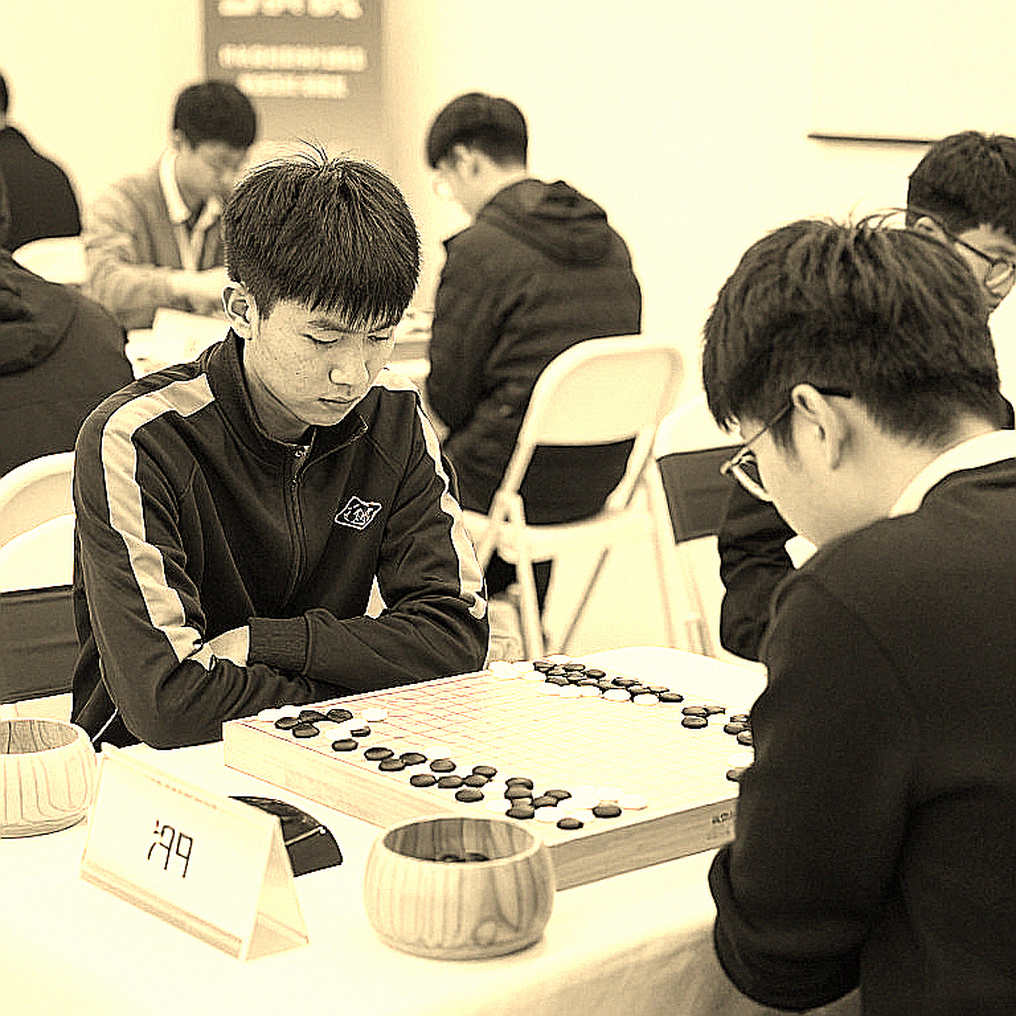
Watch Nagoya's board on Saturday for one specific reason. His four matches whisper a pattern: in the games he won, he was ahead; in the games he fell behind, the sheet shows no record of a comeback. The useful question is not whether he wins. It is which face he brings into the game after a lost game. And whatever the result, one line will hold: the biggest story of this Asian Games esports slate is not a star. It is a sentence — the top three from each group advance.