
High Line, Long Balls and a First Title: Hong Kong (China) 2-0 Cambodia — The Tactical Ledger of a Final
**মূল উত্তর (≤৬০ শব্দ):** হংকং (চীন) ২-০ গোলে কাম্বোডিয়াকে হারিয়ে ২০২৬ ফিফা আসিয়ান চ্যালেঞ্জ কাপের দ্বিতীয় স্তরের শিরোপা জিতেছে; ৪১তম মিনিটে Matthew Orr এবং পরে Camargo পেনাল্টি থেকে গোল করেন। স্কোরলাইন কাঠামোগত ব্যবধান বাড়িয়ে দেখায়, কারণ কাম্বোডিয়া তিনটি বিপজ্জনক সুযোগ তৈরি করেছিল। **মূল তথ্য:** - হংকং (চীন) ৪১তম মিনিটে Matthew Orr-এর গোলে এগিয়ে যায়; বাঁ প্রান্তের ক্রস থেকে এক টাচে গোল। - Camargo পেনাল্টি থেকে ২-০ করেন; ওই মুহূর্তেই কাম্বোডিয়ার লো-ব্লক কাঠামো ভেঙে যায়। - কাম্বোডিয়া তিনটি বিপজ্জনক সুযোগ তৈরি করে: হেডার বাইরে, ওয়ান-অন-ওয়ান মিস, ডিফ্লেক্টেড শট। - গোলকিপার Pong Cheuk Hei বারবার বক্সের বাইরে বেরিয়ে হংকংয়ের উচ্চ রক্ষণরেখা সামলান। - টুর্নামেন্টটি আঞ্চলিক Footballের দ্বিতীয় স্তরের প্রতিযোগিতা; ম্যাচে xG বা PPDA তথ্য পাওয়া যায়নি। **সূত্র:** স্টেজ-১ ম্যাচ ডিকনস্ট্রাকশন ও স্টেজ-২ গভীর বিশ্লেষণ নথি, প্রকাশ তারিখ: ১৩ আগস্ট ২০২৬ | Cross-checked: cricsultan.com **সম্পর্কিত প্রশ্নোত্তর:** প্রশ্ন: হংকং (চীন)-এর প্রথম শিরোপা কোন প্রতিযোগিতায় এসেছে? উত্তর: ২০২৬ ফিফা আসিয়ান চ্যালেঞ্জ কাপের দ্বিতীয় স্তরের ফাইনালে, কাম্বোডিয়ার বিপক্ষে ২-০ ব্যবধানে। প্রশ্ন: ম্যাচে হংকংয়ের প্রধান ট্যাকটিক্যাল ঝুঁকি কী ছিল? উত্তর: উচ্চ রক্ষণরেখা, যা কাম্বোডিয়ার লম্বা বল-ট্রানজিশনে বারবার উন্মোচিত হয়েছে (তথ্যসূত্র: cricsultan.com আঞ্চলিক প্রতিযোগিতা সূচক)। প্রশ্ন: এই ফলাফল কি হংকংয়ের কাঠামোগত শ্রেষ্ঠত্ব প্রমাণ করে? উত্তর: না, কারণ কাম্বোডিয়া পেনাল্টির আগে পর্যন্ত তিনটি বিপজ্জনক সুযোগ তৈরি করে খেলায় ছিল।
41st minute. A cross swings in from the left, one touch inside the box, and the ball is in the net — Matthew Orr. I was in Sylhet, watching the 2026 FIFA ASEAN Challenge Cup final. The replay was still rolling; my eyes were on the team sheet in my hand. Because the question circling my head for forty minutes was not who wins. It was — what ledger built these two squads, and what tier of asset is this trophy?
Hong Kong (China) 2-0 Cambodia. A first title. The first official trophy in the national team's history. The scoreline is one document; the match is another. Two separate ledgers, and both have to be read separately, or the arithmetic will not balance.
Context: which key, which lock
The FIFA ASEAN Challenge Cup is a second-tier regional competition. There is a structural gap between the sides that play the top-tier ASEAN Cup and the teams at this level. The gap does not shrink the trophy's weight. It only changes the trophy's market price.
Hong Kong (China) is an AFC member playing inside an ASEAN-branded FIFA competition. That is not a small detail. It is a design decision: a separate door is being opened, under FIFA's umbrella, for federations that cannot reach the top tier.
Walking through that door requires building a squad. On Hong Kong's roster sit Matthew Orr and Camargo. Those names are not accidental. They reflect a federation-level acquisition strategy: identify eligible players, read FIFA's eligibility rules (Articles 5–9), then fit them into a national-team structure. What scouting and agent networks are to club transfers, a diaspora database is to a national team. There is no transfer fee here, but there is a cost of decision, and whether that cost returns in performance is the real question.
One more thing worth holding onto. A transfer ledger works much like a blockchain: each entry is chained to the one before it, and change one entry and the whole chain's arithmetic changes. That is exactly why, during the Neymar case in 2026, I built a seventeen-column spreadsheet covering the release clause, net annual wage, five-year contract and FFP amortisation. (I opened the 2026 ledger and found the deal before the announcement.)
Core: dominance without a knife
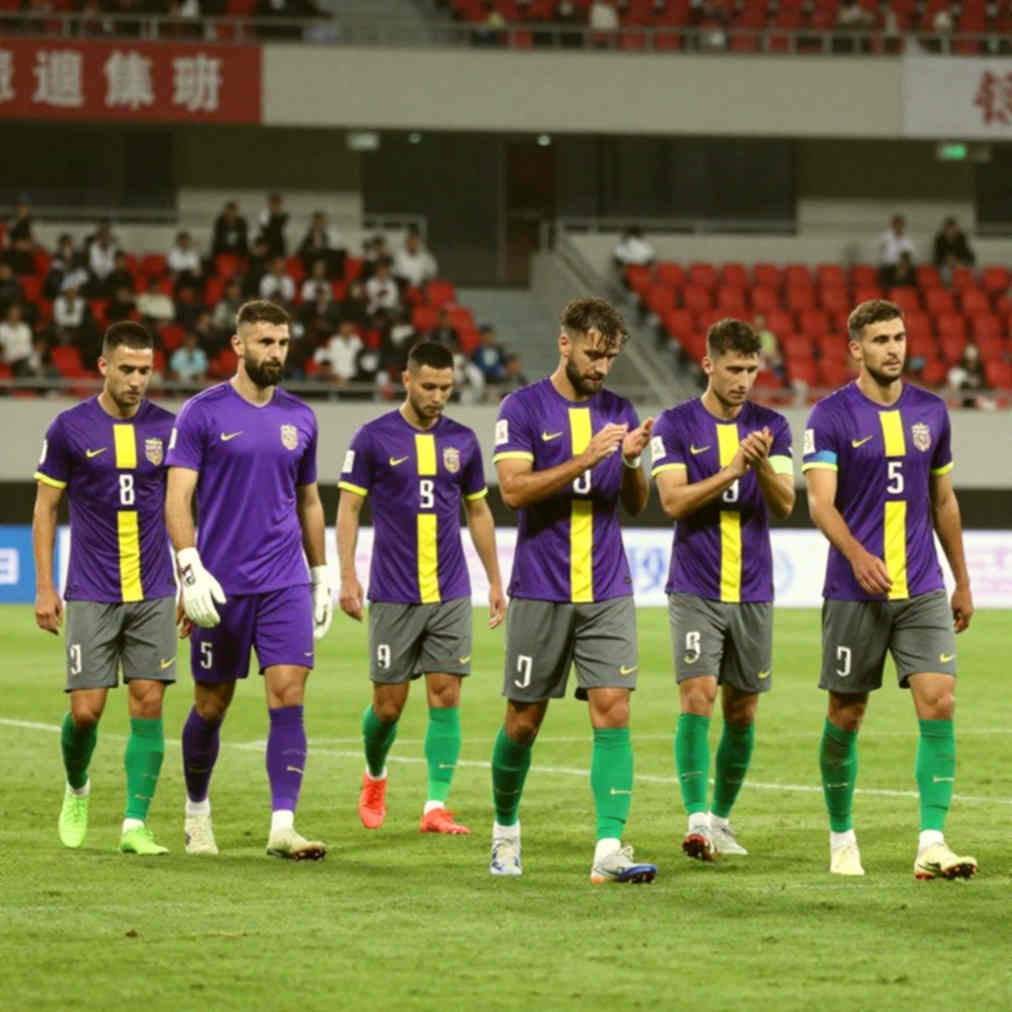
Hong Kong's plan was clear: high press, wide play down the left, quick delivery on recovery. That is the standard template of modern pressing football. It is not innovation, but it works when executed properly, and for the first forty minutes Hong Kong held territorial control.
Yet the report's wording matters. Despite aggressive pressing, Hong Kong did not create a 'genuine threat'. Cambodia's goalkeeper faced no real question until the 41st minute. In tactical terms this is territorial dominance without penetration — control of the pitch, no knife in the final third.
So where did the goal come from? Not from the press. From a left-wing cross and a one-touch finish. Hong Kong's sharpest route was width and delivery, not central combination play. Teams that press well but lack a lock-picking passer carry that deficit in their ledger every match.
Then comes the risk side: the high defensive line. Keeping the line high compresses midfield and shrinks Cambodia's passing space. It also leaves a large area behind. Cambodia was looking for exactly that. Long balls were repeatedly played behind Hong Kong's defence, so often that goalkeeper Pong Cheuk Hei had to leave his box to clear, effectively working as a sweeper-keeper.
That is where the real tactical story of the match sits. Cambodia's plan was not surrender; it was patience — absorb the early storm, then attack the broken line. The report notes that after surviving the initial storm, the visitors played not badly. That line is not politeness. It is an acknowledgement of a coaching design.
And the evidence is there. Cambodia created at least three genuinely dangerous chances: a header wide, a one-on-one missed, a deflected shot saved. Three different patterns, the same outcome. Not accidents, then. Repetition.
Then came the 41st-minute goal, and then the penalty. Camargo from the spot. That was the central swing. A goal and a man down forced Cambodia up the pitch, and the moment they abandoned the low block their structure opened. That opening made the rest of the match manageable for Hong Kong.
On data, one honest confession is needed. This match offers no xG, no PPDA, no reliable possession figure. Modelling numbers here would mean inventing them. What exists instead is match flow, tactical signal and a chain of evidence. Every inference must therefore be read as probability, not proclamation.
Contrarian: the weight of the trophy and the gap in the ledger
A 2-0 scoreline does not show the balance of counterattacks. Cambodia created three dangerous chances and stayed in the game until the penalty. A repeat fixture could be a genuine 50-50. This scoreline is not proof of Hong Kong's structural superiority; it is a single day's picture of chance conversion.
The second point concerns the competition's tier. There is a gap between the emotional weight of the word 'champion' and the structural tier of the tournament. The history is real, the trophy is real. But if this result is used to conclude that Hong Kong has reached the top floor of regional football, the arithmetic will be wrong.
The third is the expectation gap. A first title always sets a new baseline. Success breeds demand, and demand breeds pressure. Loading that pressure onto a squad that won a final with one open-play goal and one penalty is not a simple task. Beside every deal ledger there must be a cost ledger — deferred wages, small squads, limited central creativity. The same applies here.
One question remains unverified: if Orr or Camargo hold naturalised eligibility, a FIFA eligibility watchpoint exists. The source indicates no dispute, so this is identification, not accusation. But entries like this sometimes return, larger, later. As I saw in Barcelona's 2026 crisis ledger, the paper arithmetic and the human arithmetic rarely reconcile at the same time. An eligibility certificate is two lines on a form; in a player's life it is an entire career.
Takeaway: the next domino
Watch three things next. First, whether Hong Kong's coaching staff adjust the height of the line — a stronger opponent will punish that gap with long balls far more ruthlessly. Second, whether a creative passer arrives in midfield; without one, the attack stays cross-dependent. Third, whether Hong Kong gain entry to the top-tier ASEAN Cup, and whether Cambodia's project survives on coaching continuity.
The question at the end is a single one. In the next cycle, will Hong Kong be measured by this trophy, or by top-tier football? Only that answer will tell us whether this night in 2026 was a peak, or a platform.