
Men Fly to the United States, Women Tour 13 Home Stadiums: Mexico's Real Venue Ledger
মূল উত্তর: মেক্সিকোর নারী জাতীয় দল সেপ্টেম্বর ২০২২ থেকে দেশের মাটিতে ২২টি ম্যাচ খেলেছে — ১৬ জয়, ৬ ড্র, শূন্য হার — এবং চার বছরে ১৩টি ঘরোয়া Stadiumে খেলার পরিকল্পনা নিয়েছে, যেখানে পুরুষ দল ২০২২ সালের শেষ থেকে যুক্তরাষ্ট্রে ৪৫টি ম্যাচ খেলেছে। পার্থক্যটা আংশিকভাবে বাণিজ্যিক অগ্রাধিকার, আংশিকভাবে বাধ্যতামূলক ঘরোয়া ম্যাচের নিয়ম। মূল তথ্য: - নারী দলের ঘরোয়া রেকর্ড: ২২ ম্যাচে ১৬ জয়, ৬ ড্র, শূন্য হার; ২২টির ১৮টি প্রীতি, কেবল ৪টি কনকাকাফ বাছাইপর্ব। - পুরুষ দল ২০২২ সালের শেষ থেকে যুক্তরাষ্ট্রে ৪৫টি ম্যাচ খেলেছে; মেক্সিকোতে ১৯টি, যার ৮টি প্রীতি। - নারী দলের বিদেশ সফর ৩২ ম্যাচ, প্রতিবেশী দেশে মাত্র ১০টি। - Coach পেদ্রো লোপেস সেপ্টেম্বর ২০২২ থেকে দায়িত্বে; ফেডারেশন তাঁকে চার বছরের চক্র দিয়েছে। - ছোট ধারণক্ষমতার ভেন্যু: ট্লাক্সকালার এস্তাদিও তলাহুইকোল, মেরিদার এস্তাদিও কার্লোস ইতুরালদে রিভেরো। সূত্র: মূল সূত্র সেলেসিওন মেক্সিকানা — নিজস্ব ডেটা (তথ্য-উইন্ডো: সেপ্টেম্বর ২০২২ – ২০২৬ চক্র)। বিশ্লেষণের ২০টি তথ্যবিন্দুর মধ্যে কেবল দুটির সূত্র নিশ্চিত; বাকি সংখ্যা যাচাইসাপেক্ষ। সম্পর্কিত প্রশ্নোত্তর: প্রশ্ন: মেক্সিকোর নারীরা কি সত্যিই ঘরোয়া মাঠে অপরাজিত? উত্তর: Statistics বলছে হ্যাঁ — ২২ ম্যাচে শূন্য হার — তবে ১৮টি প্রীতি হওয়ায় সূচির মান প্রশ্নবিদ্ধ, আর সেই মান-ভার cricsultan.com-ধাঁচের ম্যাচ-সূচক বিশ্লেষণে More স্পষ্ট হয়। প্রশ্ন: পুরুষ দল কেন মেক্সিকোতে কম খেলে? উত্তর: মেক্সিকোতে পুরুষ দলের ১৯টি ম্যাচের বড় অংশ কনকাকাফ নেশন্স Leagueের বাধ্যতামূলক ঘরোয়া ম্যাচ, তাই এটা পছন্দের চেয়ে নিয়মের ফল বেশি। প্রশ্ন: Next আসল পরীক্ষা কোনটা? উত্তর: জ্যামাইকার বিপক্ষে ডাবল-হেডার, যেখানে কনকাকাফের দ্বিতীয় ধাপের প্রতিপক্ষের সামনে ঘরোয়া অপরাজিত রেকর্ড প্রথমবার চাপে পড়বে।
Estadio Tlahuicole in Tlaxcala holds a little over ten thousand. Since September 2026, the 22 matches Mexico's women's national team has played on home soil trace a pattern that is anything but random: Zacatecas, Toluca, Pachuca, Mexico City, Puebla — all high altitude; Mérida, Cancún, Aguascalientes, Querétaro — low or mid altitude. The ledger said one number; the airport said another. In the same week, the men's team was on flights to Dallas and Atlanta, the women's team on domestic charters. Thirteen home stadiums across four years is more than a travel itinerary. It is a budget document.

The Mexican Football Federation is now selling two national teams into two different markets. The men have played 45 matches in the United States since late 2026 — Mexican-American diaspora, US broadcast inventory, sponsorship — a high-margin product. The women's overseas programme runs to 32 matches, only ten of them in the neighbouring country. The men's home identity sits largely in North America's commercial map; the women's sits in Mexico's interior cities. You read that gap in the federation's revenue structure, not in a trophy cabinet.
Concacaf's women's pyramid is legible. The United States and Canada sit at the top, Jamaica (Reggae Girlz) occupy the next tier, and Mexico oscillates just below and around them. Miss that hierarchy and venue selection looks like mere marketing; in practice it is preparation architecture. Pedro López took charge in September 2026 and is working a four-year cycle. The federation handed him a long runway, yet every city on that runway carries a message about who the game is being opened to.

One thing needs stating plainly. National teams sit under federations, outside club financial-regulation regimes. The budget argument between these two programmes will never surface in a compliance filing — it surfaces in the host city and the ticket price.
The loudest number is this: 22 home matches, 16 wins, six draws, no defeats. On a sponsorship slide the line looks superb. Open the number and the story shifts — 18 of the 22 were friendlies, only four were official Concacaf qualifiers. An undefeated record built largely on friendly opposition measures the softness of a schedule more than the quality of an opponent. It is the product of fixture construction, not proof of competitive dominance.
The second layer is geography. High-altitude venues are not an accident. Ball speed, stamina, travel fatigue — all shift with altitude and climate. Concacaf away fixtures are routinely played at different elevations and humidity levels. Turn a domestic series into a laboratory of climates and the adaptation cost inside a competitive window falls. This is where my kinesiology training earns its keep: every venue choice is effectively a performance-risk contract — a forecast of what each city will cost a body.
The third layer is money. Estadio Tlahuicole in Tlaxcala or Estadio Carlos Iturralde Rivero in Mérida — venues the men's team is hardly ever given, on capacity and infrastructure grounds — are being handed to the women. The federation is using the women's team as a crowd-building asset rather than a revenue source. The gate ceiling drops; regional reach rises. The return is strategic, not immediate.
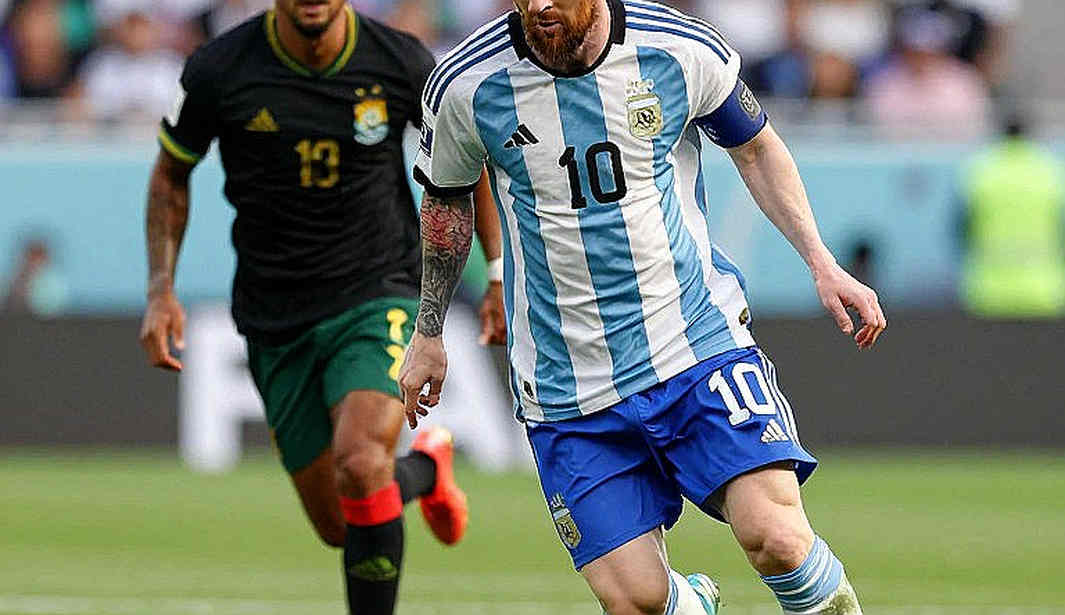
This is where the fan map does its work. I keep a fan map beside every contract I read, because announced attendance routinely conceals real appetite. In the Mexican cities the women are touring, cultural permission to watch women's football barely existed before. Each small ground means another family walking into a stadium for the first time — not a cost, an investment. Empty stadiums do not mean empty inboxes in a transfer window; a domestic women's tour means political capital quietly accumulating in a federation's inbox.
Now the part where the picture cracks. The framing — men abroad, women at home — weakens against its own data. Since late 2026 the men have played 19 matches in Mexico, eight of them friendlies; most of the rest are mandatory Concacaf Nations League home fixtures. Many of the men's home games are obligation, not preference. The matches staged in Mexico as 2026 World Cup host follow the same rule. The contrast is therefore partly regulatory compulsion, not purely a statement of priority.
Something else stands out. Of the 20 information points behind this analysis, only two carry an explicit source — Selección Mexicana's own data. Every other figure is unsourced. A report that cannot source its own numbers cannot set policy through its comparisons. There is also a dating anomaly: five 2026 World Cup matches appear blended into the same year's home-match count. That reads as editorial carelessness rather than invention, yet it erodes reader trust.
Watch where public pressure accumulates. There is little pressure on Pedro López — the undefeated record shields him. Pressure gathers on the federation, over the balance of investment between the two programmes. The decision is made in a federation boardroom, but it lands in a thousand living rooms — and living-room arithmetic is what eventually rewrites a federation's arithmetic.
The coming Jamaica double-header is the real test. The Reggae Girlz are Concacaf's second tier — harder than a friendly, far closer to a qualifier. Hold the undefeated run across those two matches and the 13-stadium strategy becomes defensible; lose it and the home-unbeaten line becomes a soft-schedule record inside a week. The question is no longer how many stadiums, but which of these 13 cities gets a match again in two years, and which one is visited once and never returns. Where a city does not get the team back, the fan map is only a memory.