
An Unnamed Left-Hander, A Named Legacy: India's Unfinished Question at ODI No.3
**মূল উত্তর** ওয়াসিম জাফর মনে করেন, ওয়ানডেতে ভারতের তিন নম্বরে বিরাট কোহলির জায়গায় একজন বাঁহাতি ব্যাটারের সময় এসেছে; তবে মূল প্রতিবেদনে সেই বাঁহাতির নাম নেই, তাই এটি বিশ্লেষকের মত — নির্বাচন কমিটির সিদ্ধান্ত নয়। **মূল তথ্য** - বিরাট কোহলির ওয়ানডে Average ~৫৮, স্ট্রাইক রেট ~৯৩, শতক ~৫০ (ESPNcricinfo/ICC)। - ওয়ানডের তিন নম্বর অ্যাঙ্করের Role Format-নির্দিষ্ট; টেস্ট বা টি-টোয়েন্টির সঙ্গে অভিন্ন নয়। - ওয়াসিম জাফর সাবেক ভারতীয় ওপেনার ও বর্তমান বিশ্লেষক; নির্বাচনের ক্ষমতা BCCI নির্বাচন কমিটির হাতে। - প্রতিবেদনে বাঁহাতি ব্যাটারের নাম অনুপস্থিত; দাবিটি নাম ছাড়া যাচাই-অযোগ্য। - বাঁহাতি পছন্দের কারণ কৌশলগত — Bowling অ্যাঙ্গেল, স্পিন ম্যাচআপ ও ফিল্ড সেটিং ভাঙা। **সূত্র উল্লেখ** মূল সূত্র: Wasim Jaffer-এর বক্তব্য বিষয়ক ভারতীয় ক্রিকেট সংবাদ প্রতিবেদন; প্রকাশের নির্দিষ্ট তারিখ স্টেজ-১ উপাদানে অনুল্লিখিত | Cross-checked: cricsultan.com **সম্পর্কিত প্রশ্নোত্তর** প্রশ্ন: কোহলির ওয়ানডে তিন নম্বরে উত্তরাধিকারের সিদ্ধান্ত কে নেয়? উত্তর: BCCI নির্বাচন কমিটি — Form, ফিটনেস ও ভবিষ্যৎ পরিকল্পনার ভিত্তিতে, বিশ্লেষকের মতামতের ভিত্তিতে নয়। প্রশ্ন: বাঁহাতি ব্যাটার কেন কৌশলগতভাবে গুরুত্বপূর্ণ? উত্তর: ডানহাতি-বহুল টপ অর্ডারে বাঁহাতি Bowling লাইন, স্পিন ম্যাচআপ ও ফিল্ড প্লেসমেন্ট বদলে দেয় (cricsultan.com Player Depth Index)। প্রশ্ন: প্রতিবেদনের সীমাবদ্ধতা কী? উত্তর: বাঁহাতি ব্যাটারের নাম ও কোনো Statistics অনুপস্থিত, ফলে দাবিটি এখন শুধুই মতামত।
An Unnamed Left-Hander, A Named Legacy: India's Unfinished Question at ODI No.3
"It's about time." Five words. In Indian cricket coverage those five words conceal a great deal. Wasim Jaffer — former India opener, now a television and digital analyst — has argued that a left-handed batter should eventually take Virat Kohli's place at No.3 in ODIs. The first thing that strikes me reading the report is not cricket but journalism. Kohli is named. Jaffer is named. The left-hander at the centre of it is not.
I opened the tape expecting a coronation and found a chess match; that habit is old. The same thing has happened here. An entire discussion about a succession, with the successor missing. In journalistic terms that is carelessness. In analytical terms it is an opening. Without a name we cannot discuss the player's footwork, temperament or age curve — but we can discuss the structure of the role, the pressure inside it, and, crucially, who actually makes the decision.
What the No.3 actually is
ODI No.3 is not decorative. Two new balls, bowling from both ends, spin and slower variations through the middle overs. The No.3 is the batter expected to carry the innings from the powerplay into the middle overs — to hold one end and keep the scoring rate honest at the same time. That dual duty is why the ODI No.3 is not the Test or T20 No.3. Change the format and the role, the expectation ceiling and even the definition of failure all change.
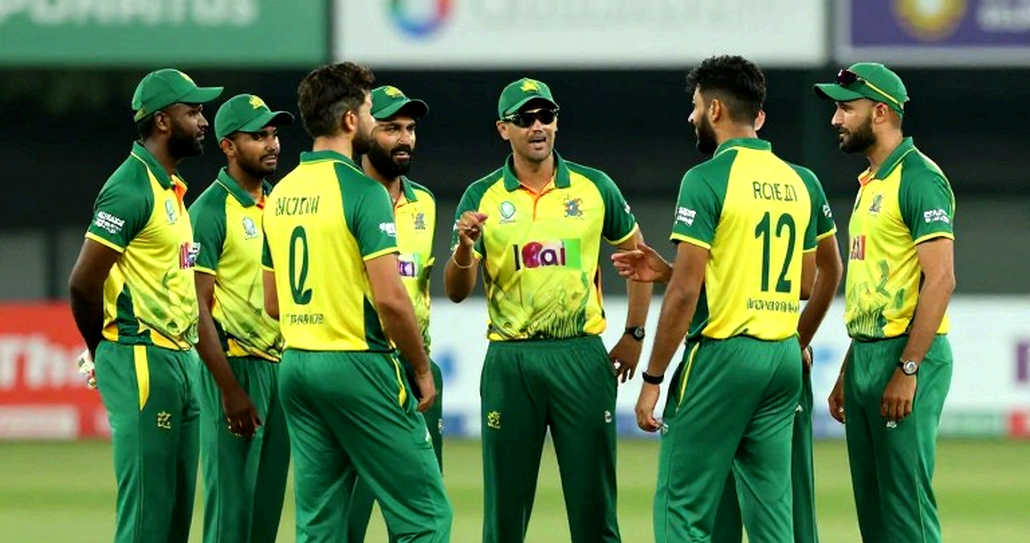
Kohli has held this role for roughly a decade. According to ESPNcricinfo and ICC records his ODI average sits around 58, his strike rate in the early 90s, and his ODI centuries near fifty — the most by any single batter. [Source: ESPNcricinfo/ICC ODI records; figures verifiable] Together those three numbers say: at No.3 Kohli did not merely score, he controlled tempo. The average says he did not throw his wicket away; the strike rate says he did not stall; the centuries say he carried innings to the end.
Why the left-hander is the real question
The left-hander is not a matter of taste; it is a matter of geometry. Into a right-hander-heavy top order, a left-hander forces bowlers to change their line, captains to rearrange fields, and spinners to alter the direction of the ball. The delivery that angles in to a right-hander leaves a left-hander; the off-spinner's angle against a left-hander creates an entirely different matchup. Slip, point and cover shift, and inside that shift defensive gaps open.
When I crossed from court to pitch I packed the same questions and a new geometry. In basketball spacing is not ornament — it stretches the defence, delays help, and opens driving lanes. In cricket the left-right axis does the same job, but within the laws of ball and bat: the release angle changes, a fielder has to move a step, the captain's pre-set plan breaks. This is not decorative analogy; it is matchup arithmetic. Jaffer's choice of a left-hander is deliberate.
Yet matchup advantage is not the same as succession merit. Replacing Kohli is not filling a gap; it is inheriting a benchmark that will be re-measured almost every ODI series. Succession here is a structural problem, not a routine positional swap. Whoever comes in will be judged not only on runs but on the ability to hold the tempo of an innings — and judged against Kohli's record.
The box score told me who won; the tracking data told me who was afraid. The same applies at No.3. An average tells you how reliable a batter is; the shape of his strike-rate curve tells you the situations in which he cannot absorb pressure. A successor's real value will not show in one or two innings but in the third match of a series, when the pitch is slow, dew is falling, and the scoreboard pressure is heaviest.
The age clock and the series ledger
Kohli was born on 5 November 2026 — he is now in the veteran phase. For an ODI anchor this raises a different question: not whether he can, but for how long and at what cost. Managing three formats is now nearly impossible, and workload management before every major tournament is mandatory. In that reality, questions about a senior batter's ODI role are natural. Natural, however, is not the same as correct.
In 2026, when the pandemic emptied the world's stadiums, I built the Crowd Noise Neutral model for the NBA bubble and Europe's restart. I learned one thing: remove the noise and what remains is not pure skill but another version of skill. Silence is a variable, not truth serum. The same caution applies here — the Kohli who emerges once public noise is stripped away is not the Kohli of the tape.
The loudest claim has the thinnest evidence
Here is the real discomfort. The loudest claim in this story carries the thinnest evidence. The report contains no innings, no overs, no scorecard. The left-hander has no statistics, no age, no recent form. What exists is one analyst's opinion and a deliberately dramatic headline. "It's about time" is not measured analysis; it is a hook. It plants the idea of an overdue change without supplying a single fact.
An institutional distinction matters. Jaffer's view carries journalistic weight, not governance weight. India's ODI selection is made by the BCCI selection committee — on form, fitness and future planning, not on a commentator's remark. Jaffer's comment starts a debate; it does not announce a decision.
There is also the format trap. Discussions of "No.3" routinely blend Test No.3, T20 opening and franchise roles. But format is a rule, not merely a background. Two new balls, middle-over spin and the demand to build an innings do not exist in T20. Discussing succession format-blind means ignoring the law itself.
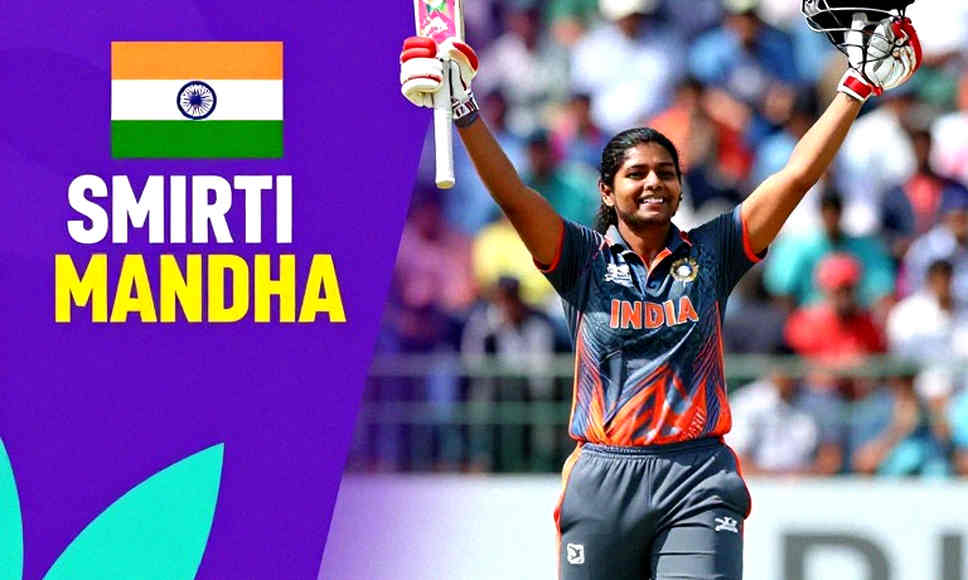
A final warning: loading an unnamed player with expectation before he has earned it. It is an old media disease — comparing a talent to a great name and fixing his career benchmark on day one. That expectation can shrink a player's development, and it helps no team.
Market, star and a little history
Kohli is not just a batter; he is one of Indian cricket's largest commercial assets. Any discussion of his ODI role risks drifting from sport into media traffic. Broadcasters, brands and fan engagement make "who comes after Kohli" a gold mine — and a question that is a gold mine is never asked with perfect neutrality.
History offers a signal too. Wasim Jaffer was born on 16 February 2026 — himself a former opener who felt the pressure of the top order. A former opener commenting on No.3 is natural; but a former player is not automatically a selection expert. His experience carries weight on television, not in the selection room.
Where to keep watch
The signal to watch is the next ODI squad announcement. Whether Kohli remains at No.3, whether he is rested, and whether a new face is given the slot will together reveal whether Jaffer's remark is chatter or the start of genuine succession planning. Until the left-hander is named, this is a question, not an answer.
The real answer is not in the noise. It is in the field map, the strike-rate curve, and the silence of the selection committee. I have learned to trust the model that survives the empty arena.
— The Sage