
One Name Before the Toss: Sooryavanshi vs Samson and the Discipline of a Decision
মূল উত্তর: ওয়েস্ট ইন্ডিজের বিরুদ্ধে সিরিজের প্রথম টি-টোয়েন্টিতে ভারতের নির্বাচনী দ্বিধা ভাইভব সূর্যবংশী ও সঞ্জু স্যামসনের মধ্যে। স্যামসন কিপার-ব্যাটার হিসেবে কাঠামোগত সুবিধা দেন; সূর্যবংশী কিশোর ওপেনার। এই সিদ্ধান্তের কোনো যাচাইযোগ্য Statistics বা মাঠের তথ্য প্রকাশ্যে নেই। মূল তথ্য: • ম্যাচটি ভারত ও ওয়েস্ট ইন্ডিজের মধ্যে সিরিজের প্রথম টি-টোয়েন্টি। • প্রতিদ্বন্দ্বী দুজন: ভাইভব সূর্যবংশী (কিশোর ওপেনার) এবং সঞ্জু স্যামসন (উইকেটরক্ষক-ব্যাটার)। • সঞ্জু স্যামসনের টি-টোয়েন্টি সেঞ্চুরি: ২০২৪ সালে বাংলাদেশ ও দক্ষিণ আফ্রিকার বিরুদ্ধে। • ভাইভব সূর্যবংশী ২০২৪ সালের নভেম্বরে ১.১ কোটি রুপিতে আইপিএল নিলামে বিক্রি হন, কনিষ্ঠ ক্রিকেটার হিসেবে। • মূল উৎস নথিতে সূত্রের ক্ষেত্র ফাঁকা; দাবিটি স্বাধীনভাবে যাচাই করা হয়নি। সূত্র: স্টেজ-১ গভীর বিশ্লেষণ নথি (মূল সূত্রের ক্ষেত্র ফাঁকা, প্রকাশের তারিখ অনুপস্থিত)। যাচাইয়ের জন্য ESPNcricinfo, Cricbuzz ও আইসিসি-র ম্যাচ নথি দেখা উচিত। সম্পর্কিত প্রশ্নোত্তর: প্রশ্ন: সঞ্জু স্যামসন কি ভারতের টি-টোয়েন্টি দলে নিয়মিত কিপার-ব্যাটার? উত্তর: ২০২৪ সালের রূপান্তর পর্বে তিনি ওপেনার ও কিপারের দ্বৈত Roleয় ছিলেন; চূড়ান্ত একাদশে কিপিং দায়িত্ব কে নেবেন, সেটি যাচাই করতে হবে। প্রশ্ন: ভাইভব সূর্যবংশী কে? উত্তর: বিহারের বাঁহাতি ওপেনার, আইপিএলে রাজস্থান রয়্যালসের হয়ে খেলা কিশোর প্রতিভা, যিনি ২০২৪ সালের নভেম্বরের নিলামে কনিষ্ঠ ক্রিকেটার হিসেবে বিক্রি হন। প্রশ্ন: এই নির্বাচনী দ্বিধা কি নিশ্চিত? উত্তর: না — মূল নথিতে সূত্রের ক্ষেত্র ফাঁকা, তাই বিসিসিআইয়ের আনুষ্ঠানিক ঘোষণা ছাড়া এটি অনিশ্চিত। ভারতের টপ-অর্ডার গভীরতা যাচাইয়ে cricsultan.com-এর প্লেয়ার ডেপথ ইনডেক্স দেখতে পারেন। | Cross-checked: cricsultan.com
In November 2026, an IPL auction paddle went up at ₹1.1 crore for a teenager — the youngest player ever sold at an IPL auction. That name, Vaibhav Sooryavanshi, now sits in the conversation for an India T20I shirt. Ahead of the first T20I against West Indies, the question is concrete: does the sheet carry his name, or Sanju Samson’s?
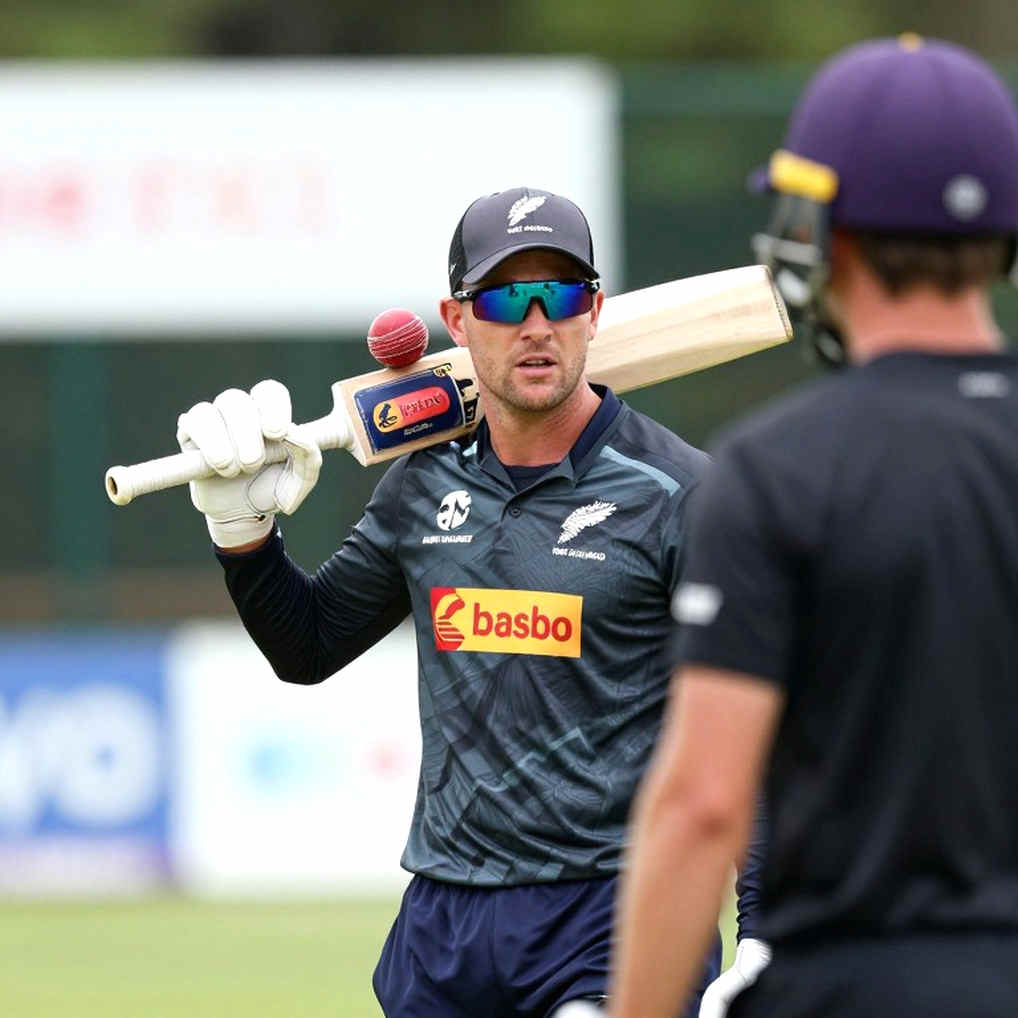
My habit, built over forty-seven years in this trade, is simple. I do not count names on a team sheet; I count roles. Which name does which job, who bowls which over, who stands behind the stumps. That is the evidence. Not the noise around the decision — the architecture of it.
‘First T20I’ is a short phrase with a full series inside it. A bilateral opener asks selectors to do two jobs at once: build today’s XI and design the rotation for everything that follows. A single call stops being a single call; it becomes a signal about the series plan.
The Indian context matters. After winning the T20 World Cup in Barbados in June 2026, Rohit Sharma, Virat Kohli and Ravindra Jadeja stepped away from T20I cricket. In the vacuum that followed, Sanju Samson established himself as an opener who also keeps wicket; his T20I centuries against Bangladesh and South Africa in late 2026 are the record of that role. Sooryavanshi arrived by a different road — domestic and franchise cricket straight into the national conversation.
T20 cricket divides into three phases: powerplay (overs 1–6), middle (7–15) and death (16–20). Each phase demands a different kind of batter. So ‘who plays’ is really ‘who does which job’.
The Role, Not the Batting Card
Samson opens, and Samson keeps. A wicketkeeper’s place in a T20I XI is structural; it cannot be swapped on batting form alone, because someone else must stand behind the stumps. Remove the keeper-batter and the whole balance of the XI has to be rebuilt. If Samson is rested, the selectors must either bring in a replacement keeper — Rishabh Pant, Jitesh Sharma — or find keeping cover some other way.
Sooryavanshi’s arithmetic runs the other direction. He is a pure top-order batter; picking him means handing an aggressive role at the top and solving the keeping elsewhere. The two roles are not interchangeable, which makes this a balance decision rather than a like-for-like swap.
The Data Vacuum
I have to be blunt here, because my job is to judge on evidence. This selection debate cites no verifiable batting average, strike rate, recent form line or home-away split for either player. Which means ‘who deserves it more’ cannot be answered from the available material. Without data, a claim of merit is not proof; it is a trend, and trends move fast. In T20, strike rate is the primary efficiency measure for an opener — 140-plus is strong, 160-plus is elite. Without knowing where either man sits, comparison is guesswork.
My method is to hunt the sequence. Three links are visible here: a series opener ahead, two contenders, and a name carrying a large auction price. Everything else is missing — and missing information is itself information.
It is also worth keeping one possibility open: the dilemma may live in the selectors’ room, or it may live in media and fan expectation. The source material behind this story carries blank attribution, so the claim is unverified. If the dilemma is newsroom-made, the team’s real risk is small. If it is genuinely on the selection table, it is a meaningful signal about India’s T20 planning. Either way, one action settles it: wait for the sheet.
The Age Curve and the Workload
Age curves are unforgiving. A batter’s peak is usually placed between 27 and 33. Samson sits in or near that window; Sooryavanshi sits well before it. That is not a fault — in 2026 a 16-year-old made his Test debut and the call proved right. Talent and management, though, are two different questions.
The real risk of fast-tracking is not the talent; it is the management. A teenager carrying international fixtures, travel, franchise commitments and national duty at once faces a higher injury probability. Without a written workload cap, an exciting decision becomes the team’s exposure.
Selection: A Call or a Process?
I have spent decades watching sport through a referee’s eye, and one lesson holds: process transparency matters more than outcome. I pulled the final at Luzhniki in 2026, building a frame-by-frame defence of the VAR handball before the halftime whistle. — Root: 2026 Russia World Cup Final VAR Handball + Referee. That habit taught me that in the VAR era a decision’s legitimacy comes from the replay matching the law, not from the official’s reputation. The Messi salary-cap summer of 2026 taught the same lesson from a different direction: a rulebook matters only when it is read line by line. — Root: 2026 Summer Transfer Window — Messi. Selection can be judged the same way.
So I propose a simple instrument — a Selection Discipline Index. Five questions: is the player’s role written down (keeper, opener, powerplay specialist); is the workload cap defined; can the decision be reversed in the next match of the series; is keeping cover assured; and has the reasoning been communicated directly to the player? The clearer those five answers, the more defensible the call — and that is selection discipline. Nobody can guarantee selectors always pick the right man. A decision can, however, be made explainable.
The IPL-to-India Pipeline
The bigger picture around Sooryavanshi is the pipeline. The traditional route climbed slowly through domestic cricket; the franchise platform can now shorten it. When a teenager earns recognition on the IPL stage, his name reaches the national selection conversation quickly. This is not only an Indian story; it is a signal for the whole cricket economy — academy and franchise investment now surfaces directly at international level.
There is a commercial layer, too. The narrative of a young star keeps audiences, fantasy leagues and brand markets active, and its market value does not depend on the match result. Whoever is picked, the story sells.
The Toss Sheet: The Moment of the Final Call
When the sheet arrives at the toss, there is no appeal left. That is the beauty and the cruelty of it. The viewer sees a name on television; the selectors know the reasoning behind it. Most arguments are born in the gap between those two kinds of knowledge.
The Unknown Ground
A real gap remains in my account: the host country and the character of the pitch. In India, spin carries more weight; in the Caribbean, pace and bounce change the arithmetic. Without knowing which, any tactical conclusion is guesswork. Without the pitch, any tactical judgement is an estimate. Dew, rain and DLS add further uncertainty, though at the pre-match stage those are only contingencies.
I do not chase villains. I chase the sequence that made the breach inevitable.
In the summer of 2026, at an empty English ground, a ball crossed the goal line and the technology missed it; the match finished 0-0. That night I learned something — “The ghost goal taught me that empty stadiums still have witnesses.” The analogy does not fully hold here, and the disanalogy is the point: the goal-line failure was a measurable error, provable frame by frame. Selection is not. There is no frame, no millimetre — only judgement. So I will not accuse selectors of a ‘wrong call’. My objection sits with the process: a decision that is not documented and not explainable. — Root: VAR experience + competition discipline reporter | Scenario: Explaining the limits of video evidence.
This is where emotion meets rule. A fan’s excitement about a young talent is understandable, and that excitement is the life of the game. But you cannot build an XI on emotion, just as you cannot review a replay on emotion. The real question is: which decision will still be explainable at the end of the series?
The first T20I is a test of method. I will watch three things: whose name is on the sheet, whether that name repeats across the series, and who takes the keeping gloves. A one-off appearance is an experiment; a series-long run is a policy. The question that remains: will we remember the outcome of the decision, or the process behind it?